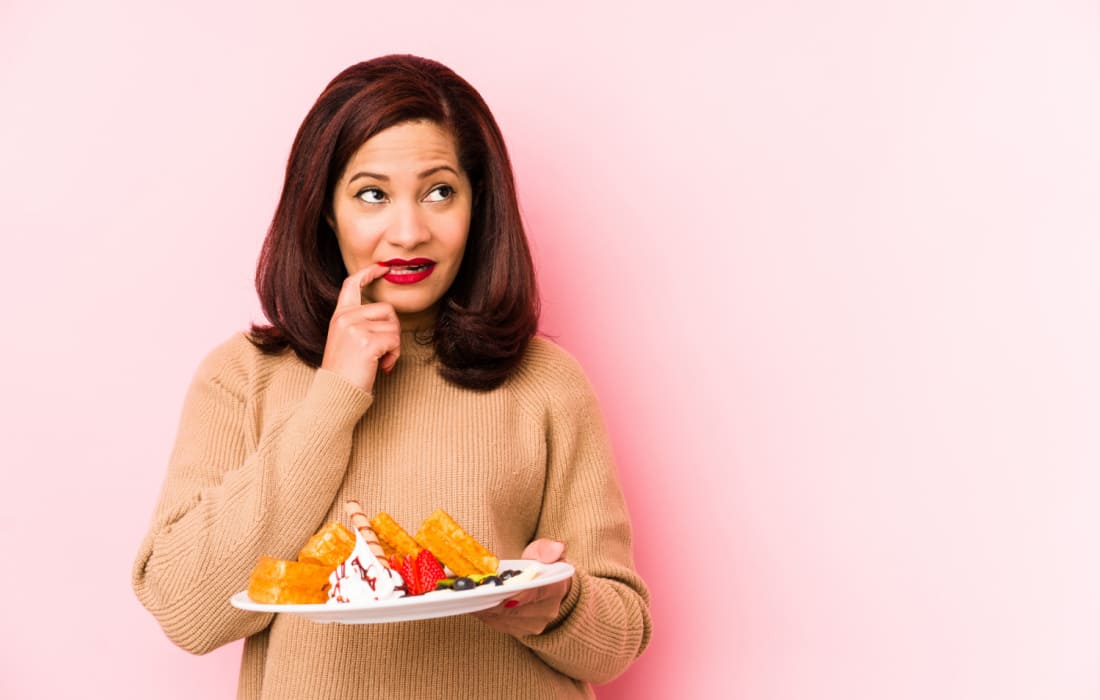
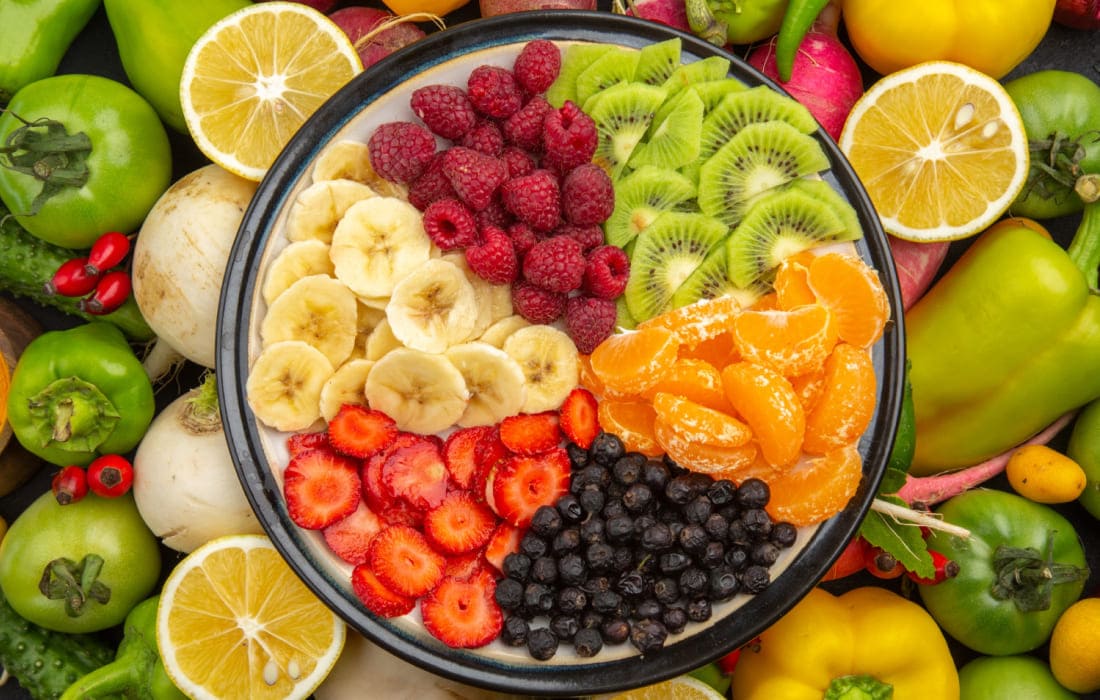
How do you balance healthy eating with indulgence?
In a culture often divided between “hardcore dieting” and “treat yourself” decadence, the average American in 2026 is looking for a middle ground. We’ve moved past the era of restrictive calorie counting and entered the age of Bio-Harmonization—the idea that food should fuel your performance without sucking the joy out of your Friday night.
Balancing a nutrient-dense diet with the occasional deep-dish pizza or gourmet donut isn’t just a dream; it’s a sustainable lifestyle. Here is how to master the art of the “Healthy Indulgence.”
1. The 80/20 Rule (The Gold Standard)
Most nutritionists and fitness experts in the U.S. now swear by the 80/20 principle.
- The Math: 80% of the time, you focus on “whole” foods—lean proteins, healthy fats, and a rainbow of vegetables. The remaining 20% is your “flex” space for whatever your heart desires.
- Why it Works: It eliminates the “forbidden fruit” effect. When nothing is off-limits, you’re less likely to binge on a box of cookies because you know you can have one tomorrow if you really want it.
2. “Crowding Out” vs. Cutting Out
Instead of focusing on what you can’t have, focus on what you must have. This is a psychological shift that makes healthy eating feel like a gain rather than a loss.
- The Strategy: Before you dive into that basket of wings, eat a large seasonal salad or a bowl of roasted broccoli.
- The Result: You’ll naturally eat less of the heavy stuff because you’re already physically satisfied with high-fiber, nutrient-rich volume.
3. High-Quality Indulgence
If you’re going to indulge, make it worth it. In 2026, the trend is “Quality over Quantity.” * The Swap: Instead of a giant bag of processed milk chocolate, go for two squares of 85% dark stone-ground cacao. Instead of a fast-food burger, visit that local farm-to-table bistro for a dry-aged wagyu slider.
- The Satisfaction: Higher quality food usually has a more complex flavor profile, which triggers your brain’s “satiety” signals much faster than highly processed “hyper-palatable” snacks.
4. The “Protein First” Protocol
Whether you’re at a summer BBQ or a holiday party, the order in which you eat matters for your blood sugar.
- The Science: Starting your meal with protein and fiber (like shrimp cocktail or crudités) slows down the absorption of glucose.
- The Benefit: When you finally reach for that slice of cake, your insulin won’t spike as aggressively, preventing the “sugar crash” and brain fog that usually follows a heavy indulgence.
5. Mindful vs. Mindless Eating
Americans are notorious for “distracted eating”—snacking while scrolling through TikTok or watching Netflix. This is where balance dies.
- The Fix: If you’re going to have a bowl of premium ice cream, sit at the table. No phone, no TV.
- The Payoff: When you actually taste your food, you realize you only needed five bites to be happy, rather than the whole pint.
6. Smart Swaps (The “Swisy” Trend)
2026 is the year of the “Healthy Pivot.” Chefs are finding ways to make “junk food” functional.
- The Discovery: Using Greek yogurt instead of sour cream, almond flour for breading, or monk fruit in place of refined sugar.
- The Trend: “Mocktails” are also booming. Americans are choosing high-end botanicals and adaptogenic drinks over heavy alcohol, allowing them to participate in the social “indulgence” of a cocktail hour without the morning-after inflammation.
The Bottom Line
True balance isn’t a destination; it’s a daily recalibration. Some days will be 50/50, and some will be 90/10. The goal is to move away from the “all or nothing” mentality that leads to burnout.
The Pro Tip: Stop calling them “cheat meals.” Language matters. Call it a “soul meal.” When you frame it as a choice rather than a mistake, you keep the power over your plate.
What is your “non-negotiable” indulgence? Is it a specific local pizza, a vintage wine, or your grandma’s secret cookie recipe? How do you fit it into your week?